My AI Stack
The tools that have actually changed how I work.
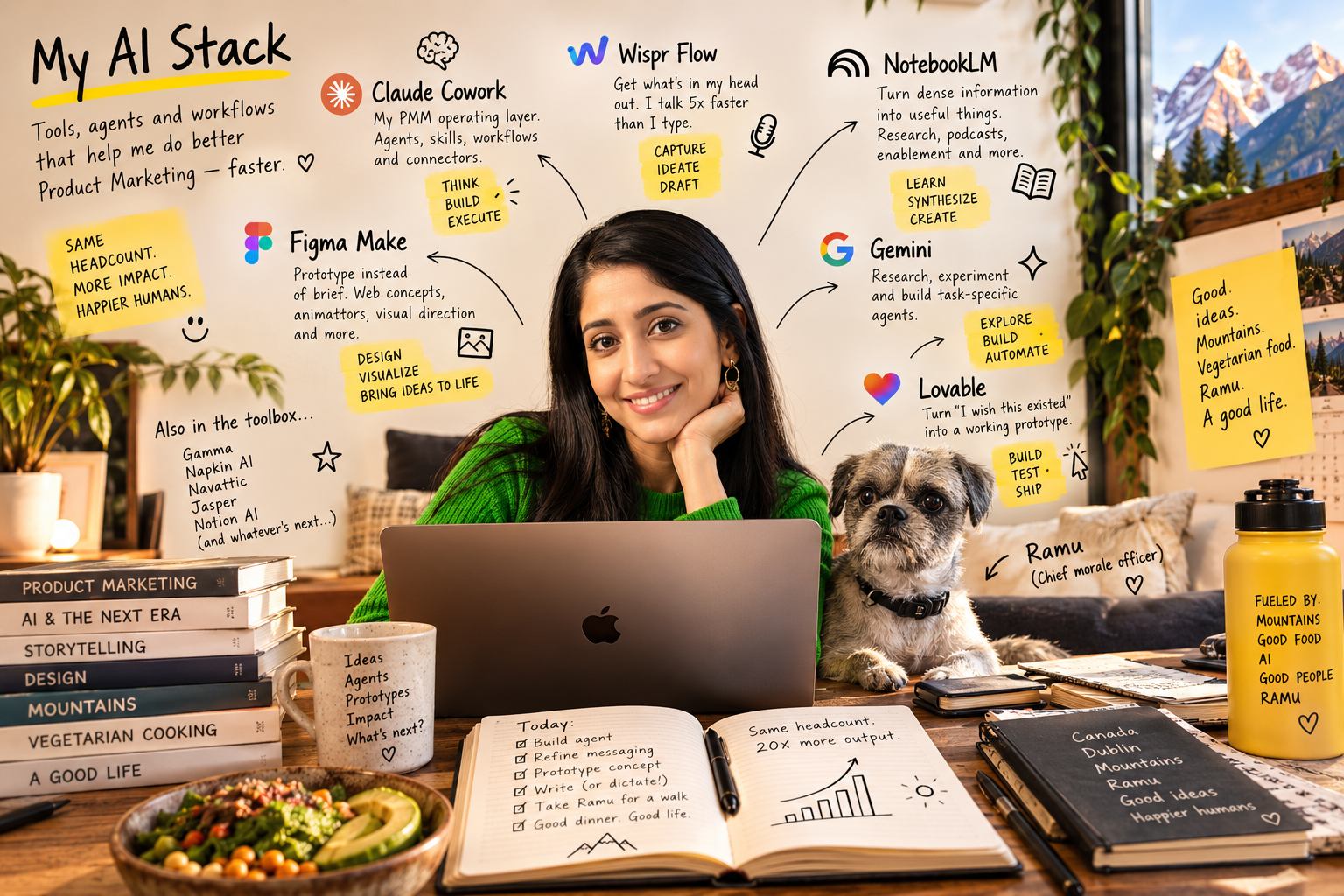
-
My PMM operating layer.
My thinking partner + execution engine. I've built PMM-specific skills, workflows and connectors around the work I repeatedly do, from messaging and competitive intelligence to decks and campaigns.
AGENTS - SKILLS - CONNECTORS - WORKFLOWS
My take → This one fundamentally changed how I work.
-
Think out loud.
I talk faster than I type. Wispr gets the messy thinking out of my head; AI helps me turn it into something useful.
VOICE - IDEATION - DRAFTING
My take → Pairs ridiculously well with Cowork.
-
Grounded knowledge → useful things.
I use source-grounded AI to turn dense material into things people can actually consume — research, podcasts, enablement and other formats.
RESEARCH - KNOWLEDGE - ENABLEMENT
-
Prototype instead of brief.
Web concepts, visual direction, motion, animations and prototypes. Increasingly, I show people what I mean instead of writing a page explaining what I mean.
PROTOTYPING - DESIGN - MOTION
My take → PMMs should prototype more.
-
Build task-specific brains.
I use Gemini for research, experimentation and agentic workflows, particularly where repeatable tasks can become reusable systems.
AGENTS - RESEARCH - AUTOMATION
-
“I wish this existed” → build it.
The ability to turn an idea into a functioning experience without waiting for a traditional build cycle has completely changed what I think PMMs should be capable of prototyping.
VIBE CODING - WEB APPS - PROTOTYPES
My take → Yes, this portfolio was inspired by something vibe-coded to
Also in the toolbox
Navattic AI: interactive product tours (self click demos)
Amplitude AI: product analytics
Gamma AI: presentations & narrative
Napkin AI: diagrams & visual thinking
Notion AI: knowledge & synthesis
Jasper AI: content creation/campaign GTM at scale
Midjourney: visual generation
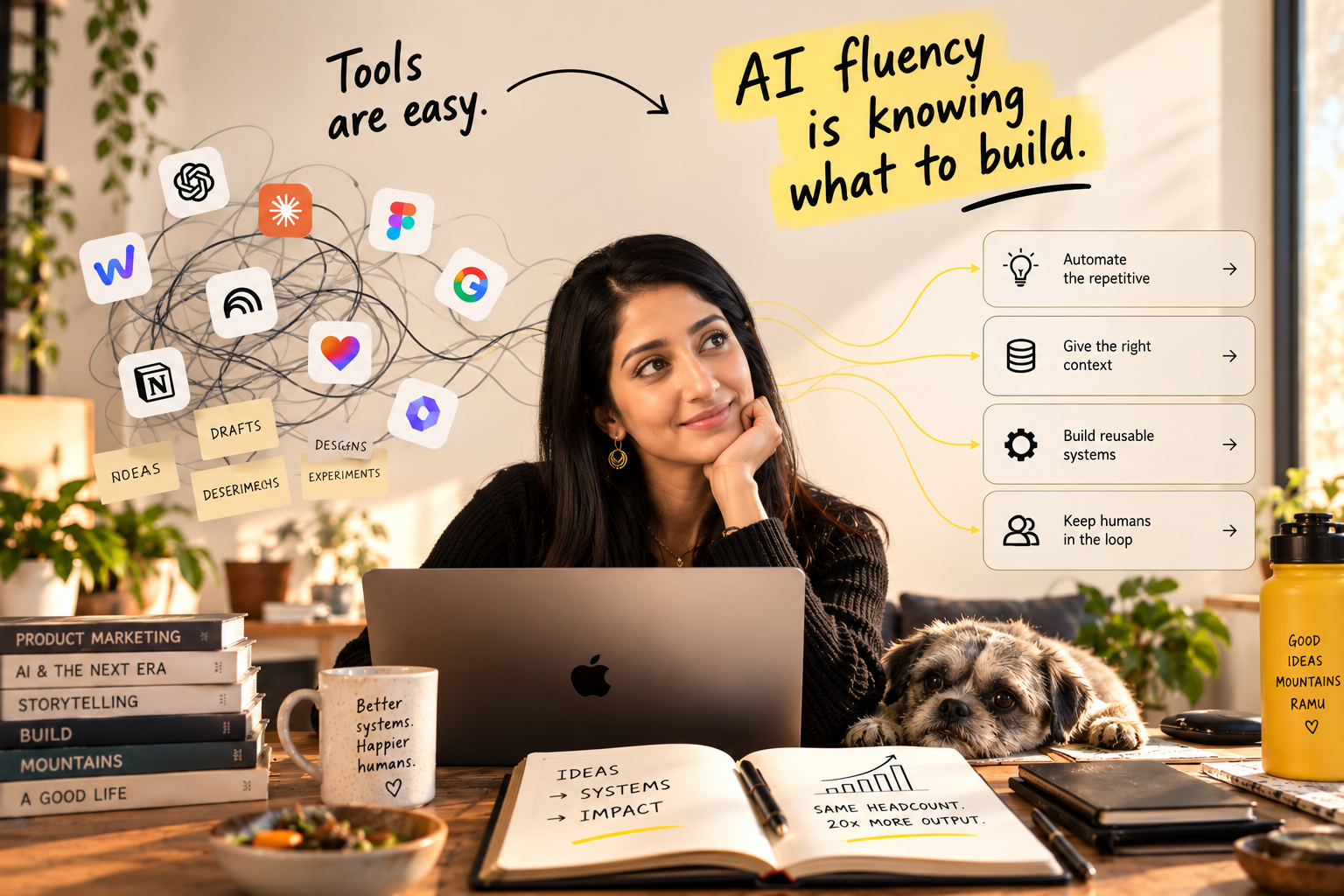
But tools ≠
AI fluency.
Knowing what to build with them is fluency.
Anyone can learn another prompt. The interesting skill is looking at a workflow and understanding:
What should be automated?
What context does AI need?
What should become a reusable system?
Where does human judgment matter?
And what shouldn't AI touch at all?
The goal isn't to replace the PMM.
It's to stop making the PMM the company's search engine.
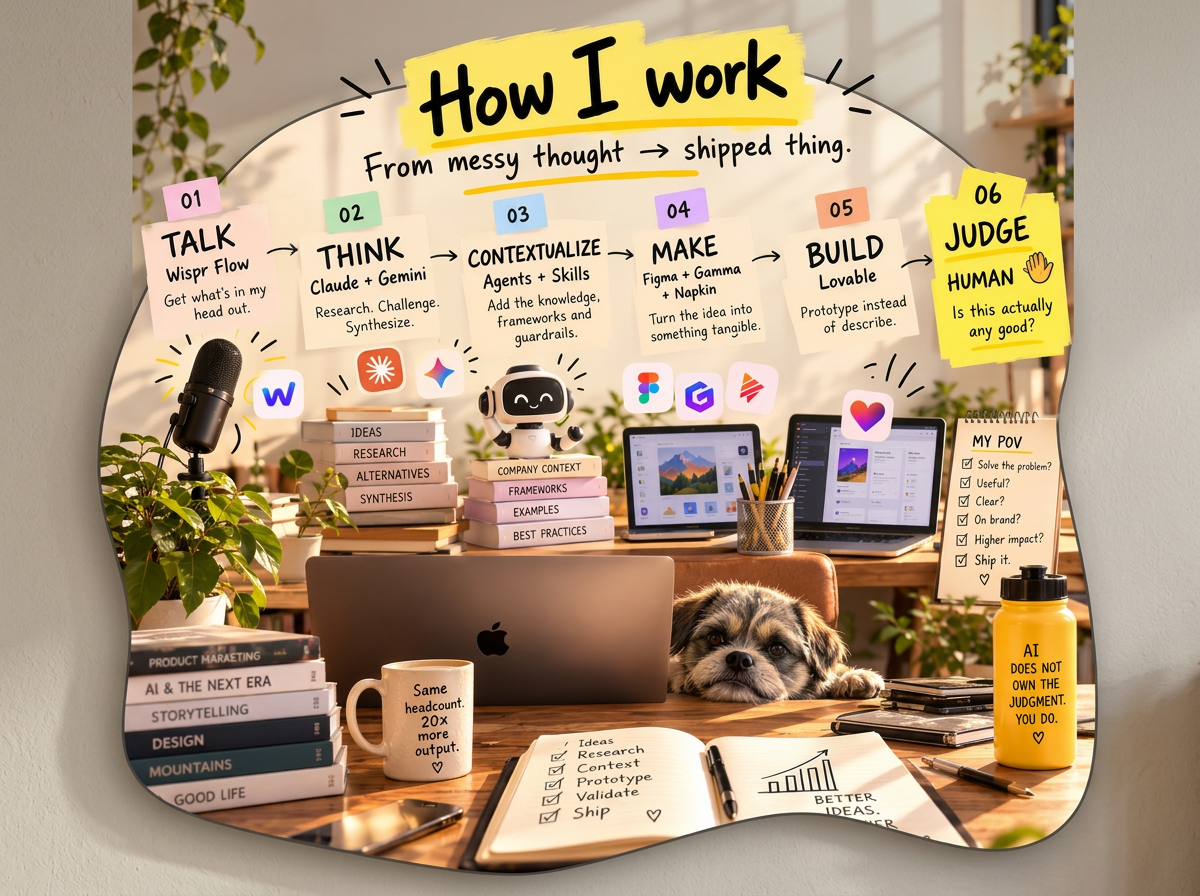
Meet my AI PMM Team
-
![]()
🥷 COMPETITIVE NINJA
ROLE: Competitive Intelligence
Chat with the battlecards instead of hunting through one for specific angles to use.
GOOD AT:
Competitor questions
Objection handling
Battlecard updates
Market intelligence -
![]()
🎯 MESSAGING AGENT
ROLE: Keeper of the story
Knows the positioning, personas, product context and approved messaging — and helps apply it consistently.
GOOD ATMessaging critique
First drafts
Persona adaptation
Consistency
Personalization of content -
![]()
💰 PRICING AGENT
ROLE: Pricing & Packaging Support
Turns complicated packaging knowledge into something teams can actually interrogate.
GOOD AT
Pricing & Discounting maths
Packaging questions
Sales enablement referencing
Scenario explanation
Pricing knowledge -
![]()
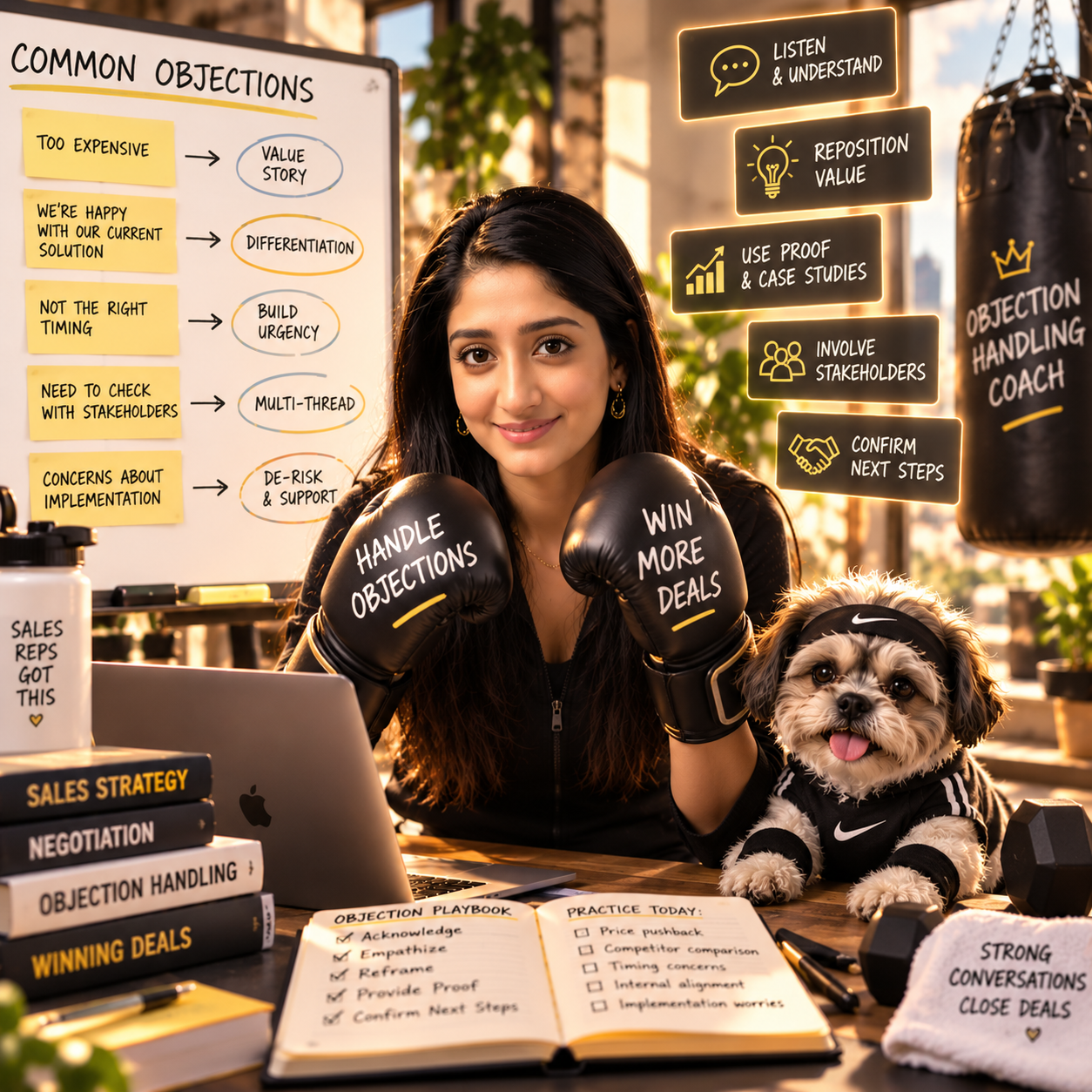
🥊 OBJECTION HANDLING COACH
ROLE: Sales sparring partner
Helps teams prepare for the questions and objections that make the nice clean messaging deck fall apart.
GOOD AT
Objection Handling
Talk tracks
Sales practice
Competitive responses -
![]()
✍️ CONTENT SPECIALIST
ROLE: On-brand creator
Uses established context and messaging to get from blank page to useful first draft much faster.
GOOD AT
Repurposing content
First drafts
Campaign content
Brand & tone of voice consistency
Messaging consistency




THE LAB
I learn AI by
building things.
There are two sides to AI-native Product Marketing.
Knowing how to market AI.
And knowing how to use AI to market better.
I'm interested in both.
Can Reddit activity change what AI says about your brand?THE CHALLENGE
Buyers aren't just Googling anymore. They're asking ChatGPT, Claude, Gemini and Perplexity what they think about products.
That means PMM's information ecosystem now extends far beyond the website.
THE EXPERIMENT
Test how community conversations (particularly Reddit) affect the information and narratives surfaced by AI.
WHAT I'M LOOKING AT
REDDIT VISIBILITY
→ LLM DISCOVERY
→ AI ANSWERS
→ BRAND NARRATIVE
WHY I CARE
Your website isn't always your homepage anymore. Sometimes the AI answer is.
Can you teach AI fluency by making people build?THE CHALLENGE
Forget another AI training presentation. I brought Marketing, Product and Engineering together around a different premise:
THE EXPERIMENT
2 hours.
5 teams.
1 problem each.
Build something.
No observers.
The bigger lesson wasn't what got built.
WHY I CARE
AI fluency doesn't come from watching someone else use AI. The mindset shift happens in the doing.
What if PMMs prototyped instead of briefed?THE CHALLENGE
The old workflow:
IDEA
↓
write a brief
↓
explain the brief
↓
someone interprets it
↓
review V1
↓
"That's not quite what I meant..."
THE EXPERIMENT
The AI-native workflow:
IDEA → PROTOTYPE → REACT
I've been using Figma AI/Make and other generative tools to create webpage concepts, animations, product stories and visual direction before handing work downstream.
Not to replace designers.
To make the conversation with designers better.
FIGMA PROTOTYPING VIBE DESIGN